Semi-colons are an important punctuation mark in the English language that is often misunderstood or misused. In this article, we will explore how to correctly use semi-colons in your writing. Read more: punto y coma en ingles
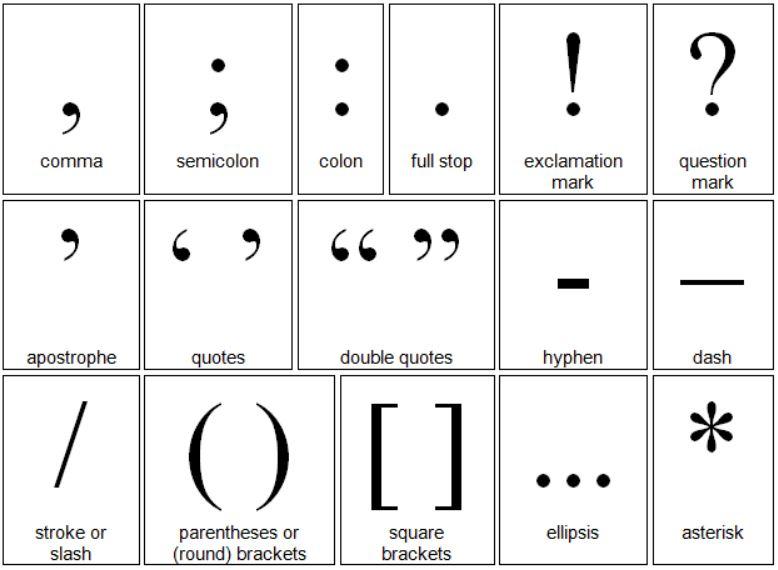
When to Use a Semi-Colon
A semi-colon is used to separate two independent clauses that are closely related to each other. It is also used to separate items in a list when the items themselves contain commas.
Separating Independent Clauses
When using a semi-colon to separate two independent clauses, both clauses should be able to stand alone as separate sentences. For example: «I love to read; it helps me relax.» In this sentence, «I love to read» and «it helps me relax» are both independent clauses.
Separating Items in a List
When using a semi-colon to separate items in a list, each item should be a phrase that contains commas. For example: «I need to buy apples, oranges, and bananas; milk, eggs, and bread; and cheese and yogurt.» In this list, each item contains commas, so a semi-colon is used to separate them.
Avoiding Common Mistakes
One common mistake when using semi-colons is to use them to separate items in a list that are not complex enough to warrant a semi-colon. Another mistake is to use a semi-colon instead of a comma or period. Remember, a semi-colon should only be used to separate two independent clauses or items in a list with complex phrases.
Practice Using Semi-Colons
To improve your use of semi-colons, try writing sentences that contain two independent clauses or lists with complex items. Pay attention to how you use semi-colons and make sure they are used correctly.
In conclusion, semi-colons are a valuable punctuation mark that can add clarity and sophistication to your writing. By understanding when and how to use them correctly, you can improve the flow and structure of your sentences. Practice using semi-colons in your writing to master this important punctuation mark.